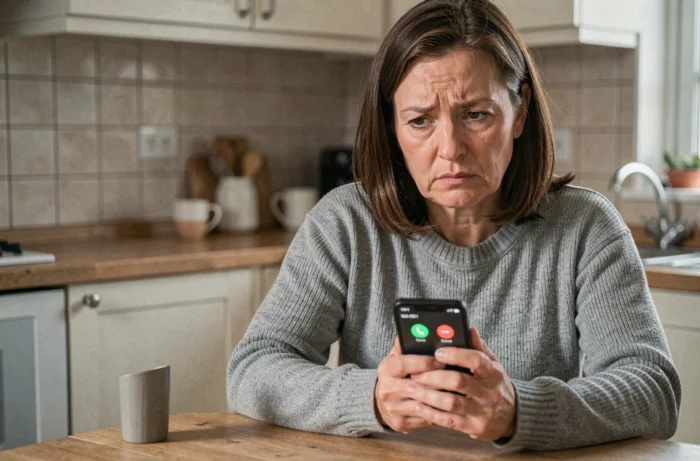
Receiving a call from a number starting with 0031 or +31 triggers an immediate reflex of distrust. The country code 0031 corresponds to the Netherlands, but the vast majority of these calls have no connection to that country. For several months, reports of phone scams using this code have been increasing in France, in a regulatory context that has changed significantly.
Code 0031 and number spoofing: the technical mechanism behind the calls
The code +31 is assigned to the Netherlands by the International Telecommunication Union. A legitimate call from this country will indeed display this prefix. The problem arises from a technique called spoofing, which allows a caller located anywhere in the world to display a Dutch number on the recipient’s screen.
IP telephony platforms make this manipulation accessible at a low cost. A call center based in North Africa, Southeast Asia, or even France can generate thousands of calls with a +31 display without ever routing through the Netherlands. The choice of this code is not trivial: it inspires more trust than an African or Asian number while remaining unusual enough to pique curiosity.
When a suspicious call with the code 0031 comes to your phone, the likelihood that it is a genuine Dutch caller remains very low, unless you have professional or personal ties to that country.
Telemarketing banned since August 2026: what the law changes for these calls
The French legal framework has shifted radically. Since August 11, 2026, telemarketing is prohibited in principle for all sectors of activity. France has moved from an opt-out system (registration on the Bloctel list to refuse calls) to an opt-in system: only consumers who have given prior, specific consent for the telephone channel can be contacted.
This consent must be free, informed, unequivocal, and revocable. The professional must be able to provide proof of it. The only exceptions concern calls directly related to an ongoing contract (service improvement, complementary services).
In practical terms, this means that an unexpected commercial call is now illegal, regardless of the displayed code. A number starting with +31 offering you an energy deal, a financial investment, or a CPF training violates French law, even if the caller claims to have your agreement.
The Bloctel system was abolished as of August 11, 2026, by law n° 2025-594 of June 30, 2025. Reports now go through other channels, including 33 700 for voice and SMS spam.
Most common phone scam scenarios using +31
Fraudulent calls using the Dutch code follow a few recurring patterns. Identifying them allows you to cut off the manipulation before it takes effect.
- The alarming automated message: a synthetic voice announces that your line will be cut, that your number is involved in fraud, or that a package is stuck in customs. The goal is to get you to call a premium number back or to extract personal data from you.
- The brief call (one or two rings) without a message: the “ping call” technique aims to provoke a callback to a paid number. Simply calling back triggers high billing.
- The caller presenting themselves as an official service (bank, operator, tax administration): they ask for banking information or a validation code received by SMS. No French administration contacts by phone with a foreign code to request sensitive data.
- The “urgent” investment proposal: cryptocurrencies, trading, guaranteed return investments. The caller creates a sense of urgency to prevent any verification.
Why +31 instead of another code
The Netherlands hosts many telecommunications infrastructures and European data centers. The availability of ranges of Dutch numbers in the VoIP markets is broad. For scammers, it is a European code that does not immediately trigger the same rejection reflex as +225 (Ivory Coast) or +216 (Tunisia).
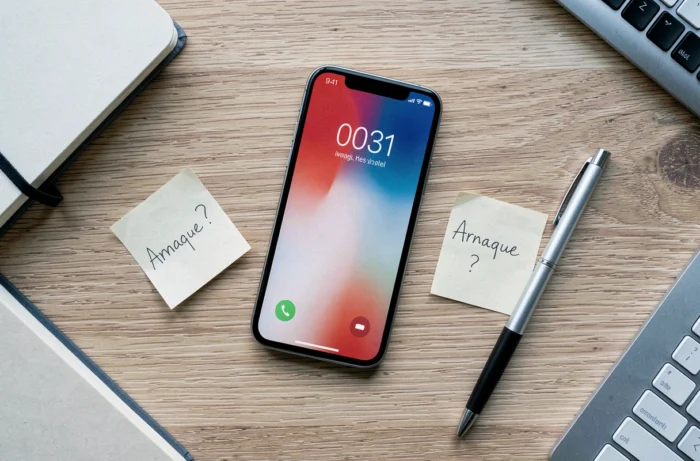
Reacting to a call from 0031: checks and reporting
The first rule remains not to answer if you are not expecting a call from the Netherlands. If you accidentally answer, hang up as soon as the scenario matches one of the patterns described above. Never call back an unknown number starting with +31.
For cases where doubt remains (you have a contact in the Netherlands, you are expecting a professional call), some checks are necessary:
- Check the full number on a Dutch reverse directory or on reporting databases like 33 700.
- If the caller claims to represent a company or administration, hang up and call back via the official number found on the organization’s website.
- Block the number on your phone after identifying a call as fraudulent. On most smartphones, the option is accessible from the call log.
- Report the call to 33 700 via SMS (send “spamvocal” followed by the number) to feed the databases used by operators.
Blocking and reporting systematically remains the most effective lever at the individual level. Telephone operators use these reports to filter numbers upstream.
Real Dutch calls: the rare legitimate cases
Not all calls from +31 are fraudulent. Dutch companies that have a contractual relationship with you (KLM airline, Booking.com platform based in Amsterdam, ING bank) can legitimately call you with this code. Similarly, a relative traveling in the Netherlands will use a local number.
The decisive criterion is the pre-existing relationship. If you have no ties to the Netherlands and the call is unexpected, the likelihood of a fraudulent attempt is very high. On the other hand, if you have recently booked a flight or made a purchase from a Dutch company, the call may be authentic.
The disappearance of Bloctel and the move to an opt-in regime simplify at least one aspect of the issue: any unsolicited commercial call is now presumed illegal. Faced with a number in 0031 that you do not recognize, silence remains the best response.