The free time of the French is increasing, but the way they occupy it is changing rapidly. Flexible formats are gaining ground over structured practices, cost is becoming a significant filter for selection, and cultural outings, although massive, are showing signs of stagnation. Structuring leisure activities around these realities allows for increased enjoyment without wasting budget or energy.
Free access sports activities: the model that redistributes practice
Weekly sports participation has been steadily increasing since 2018, but 43% of the French have already given up on a registration deemed too expensive, according to an Odoxa survey reported by Sporteco in September 2026. Young adults and lower-income categories are the most affected by this renunciation.
This financial barrier directly fuels the rise of non-institutional formats. Social run clubs, documented by Le Monde in September 2026, illustrate this shift: free running groups, without licenses, organized via social networks, bringing together hundreds of participants each week in major cities.
We observe the same mechanism for other outdoor activities. Street workouts in parks, free collective yoga sessions, or urban hikes organized by local collectives meet a specific need: to practice without annual fees or commitments. For those looking to explore this type of activity, the Blospot website dedicated to leisure lists various formats suitable for different budgets and levels.
The Île-de-France Region is also investing in this niche with its “Sport for All” program, which aims to multiply free access facilities and free slots in municipal gyms. The public lever partially compensates for what the private market charges too much.
Cultural outings: high attendance but tighter choices
The 2025 cultural outings barometer, published by the Ministry of Culture in September 2026, confirms still solid attendance rates: 57% of the French went to the cinema, 47% attended a show, and 61% visited a monument. Attendance remains close to that of 2024, without regaining a growth dynamic.
One signal deserves attention: 15-24 year-olds visit cultural facilities more than older generations. This generational gap changes the nature of outings. Young audiences favor immersive experiences, ephemeral events, and short formats.
Free culture and occasional events
National museums with free entry on the first Sunday of the month, municipal festivals, and outdoor screenings represent an underutilized lever. These formats allow for maintaining an active cultural life even when the budget tightens.
We recommend targeting three to four cultural outings per month by combining a paid outing (cinema, live performance) with free slots. The budgetary arbitration is about regularity, not total renunciation.
Family activities: puzzles, board games, and nature as a foundation
Family leisure often suffers from a misunderstanding: people seek spectacular activities while the most regular practices remain the simplest. Puzzles have seen a measurable resurgence of interest in recent years, driven by an adult offering that far exceeds the children’s market.
- Cooperative board games (as opposed to classic competitive games) encourage sessions where parents and children play equally, without frustration related to skill level
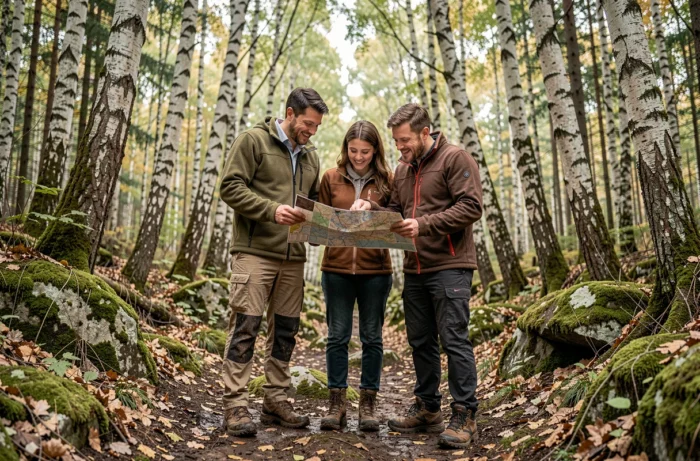
- Local nature outings, whether in forests or parks, require no special equipment and are suitable for all ages, including young children
- Portable escape games (home kits) offer an alternative to commercial venues, often charged between 25 and 35 euros per person
The common point of these activities: a low or no entry cost and quick setup. For school holidays, this approach avoids the pressure of an overloaded schedule.

Shared reading: an underestimated format
Reading remains one of the most practiced leisure activities, but its collective dimension is rarely exploited. Reading clubs in municipal libraries, open to children from six years old, create a social framework around an activity often perceived as solitary. Some media libraries also offer toy libraries with free borrowing of board games.
Leisure with friends: prioritizing shared experience over high budget
Outings with friends face the same pricing pressure as sports. A dinner at a restaurant, a bowling night, or a go-kart session represent expenses that, when added up, weigh on the monthly budget.
The most sustainable alternatives rely on rotating formats. Organizing themed nights at home (quizzes, video game tournaments, cooking workshops) reduces the cost to a few euros per person while strengthening social bonds. The most memorable moments with friends are almost never the most expensive.
- Picnics in a park, with everyone bringing a dish, are a great alternative to a pricey brunch in Paris
- Group hikes or bike rides combine physical activity and conviviality without registration fees
- Board game nights or murder parties at home offer several hours of entertainment for a minimal investment
Free or low-cost local events
Tourist offices and town halls regularly publish calendars of free events: night markets, outdoor concerts, themed guided tours. These local leisure ideas are often overlooked in favor of more visible commercial outings, even though they represent a reliable resource for varying activities without straining the budget.
The real challenge of leisure today is neither the lack of ideas nor the lack of time. It is the ability to filter the overwhelming offer to keep what lasts: financially accessible, easy to organize, and varied enough not to become boring. The practices that tick these three boxes are rarely those highlighted by advertising algorithms.