
The French real estate market in 2026 is characterized by a fragmented recovery. Transaction volumes are stabilizing around 955,000 sales expected by early 2027, but this national average masks geographical and sectoral disparities that are rarely highlighted in usual reports. Understanding these real estate trends requires going beyond simple price tracking to analyze the mechanisms that are reshaping the market.
Property tax and cadastral revaluation: what changes for owners in 2027
Property tax is often an underestimated expense in calculating the profitability of an investment. After a contained increase in 2026, the revaluation of cadastral bases could approach 3% in 2027. This mechanism, indexed to the harmonized consumer price index, applies automatically to all property owners without a vote from local authorities.
Updating certain characteristics of properties (surface area, equipment, comfort) can also increase costs. An owner who has carried out expansion or energy improvement work may see their cadastral rental value revised upwards, which directly impacts the tax notice.
To track the evolution of these fiscal parameters and their impact on wealth strategies, real estate news on Alias Immo allows for cross-referencing market data and regulatory frameworks.
Rural real estate market: the price increase that goes under the radar

The analysis of the real estate market almost systematically focuses on Paris and major metropolitan areas. The 2026 data reveals an opposite phenomenon: rural areas have seen a price increase of about 3% since January, while metropolitan areas are stagnating or slightly declining.
This dynamic is explained by several converging factors:
- Hybrid teleworking, now established in practices, makes it viable to live two to three hours away from major employment hubs.
- The price per square meter differential remains wide enough to offset transportation costs, attracting first-time buyers excluded from urban markets.
- The supply of properties in rural areas is more abundant, with shorter sales times than in metropolitan areas where sellers struggle to adjust their prices.
This geographical rebalancing alters the interpretation of national indices. A slightly declining national price index can mask real local pressure in certain attractive rural departments.
New housing in France: a structural drop in reservations
The new housing segment is the most concerning blind spot in the market. Reservations for new collective housing have returned to a rate of 15,000 to 16,000 per quarter, down from nearly 30,000 before the health crisis. This halving is not cyclical: it reflects a supply and construction cost issue.
Fewer than 40,000 sales of new housing were recorded in the first half of 2026. Developers are facing a scissors effect: construction costs remain high, environmental standards increase budgets, and buyers have reduced borrowing capacities compared to the pre-2022 period.
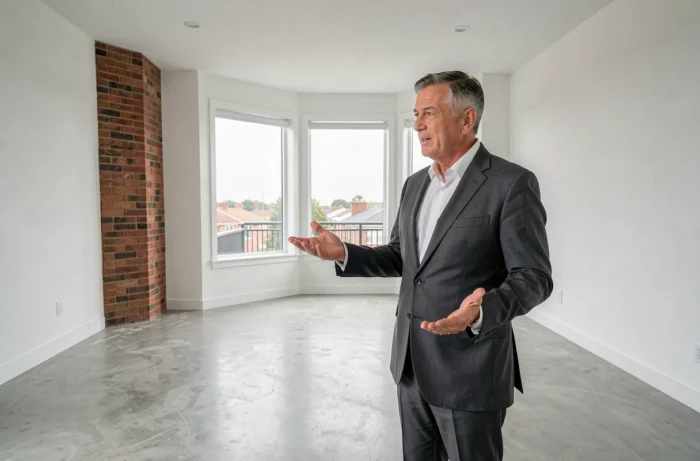
Individual houses are faring better than collective housing, driven by demand in suburban and rural areas. The construction of collective housing continues to decline. This imbalance fuels rental shortages in tight areas, where the stock of available housing does not keep pace with demand.
Rent control: a system still poorly respected
Rent control, applied in several urban areas, remains largely circumvented. Non-compliance with the authorized ceilings raises questions about the effectiveness of the system in the absence of systematic controls.
For an investor, this reality creates legal uncertainty. A tenant can contest an excessive rent up to three years after signing the lease, exposing the landlord to retroactive reimbursements.
Real estate interest rates: caution after a brief respite
After a lull in the first half of 2026, interest rates are beginning to rise again, hindering purchase projects. Buyers who secured loan offers in the spring benefit from more favorable conditions than those who sign in the fall.
The borrowing capacity of households remains the main obstacle to the market’s recovery. Even with stable or slightly declining prices, the total cost of a purchase (interest, insurance, notary fees) absorbs an increasing share of the budget. Sellers, for their part, struggle to accept discounts: sales times are lengthening in major cities, which maintains a wait-and-see attitude on both sides.
Paradoxically, the rental real estate market benefits from this situation. The rental supply is rising again in the first half of 2026 after three years of decline, but this recovery does not compensate for the accumulated shortage in the tightest areas. Rental demand remains structurally higher than the available supply in most urban areas.
The second half of 2026 is shaping up to be a transitional period. The fundamentals of the market, transaction volumes, the gap between listed prices and signed prices, and the pace of construction indicate a slow correction rather than a marked rebound. The fiscal adjustments related to property tax and the geographical disparities between rural and urban areas remain the two parameters to watch closely for any purchasing or investment decision.