The autumn-winter 2026 season opens with a paradox. Fashion shows multiply proposals, collaborations between outdoor brands and urban wardrobes follow one another, color palettes change, yet the clothing market continues to decline. Sales volumes remain significantly below their pre-Covid levels, according to a report published by Syndex on the clothing market in 2025. Consumers are buying less, making more choices between new and second-hand, and seeking better value for money.
This context alters the way fashion trends spread. Adopting a seasonal piece is no longer about accumulation but about targeted choice. Here are the movements that truly structure this season, beyond just a simple catalog of looks.
European Regulation and the End of Textile Waste Destruction
Since July 19, 2026, the European regulation ESPR (Ecodesign for Sustainable Products Regulation) prohibits large companies from destroying their unsold clothing, shoes, and accessories. This measure, stemming from regulation (EU) 2024/1781, primarily concerns large groups. SMEs benefit from an additional six-year grace period.
The direct consequence affects collection strategies. Brands are producing shorter and better-calibrated series, which mechanically reduces the supply at the end of the season. For buyers, this means pieces available in more limited quantities and potentially less massive sales on quality items.
Field reports vary on the actual extent of this change. Some brands had already reduced destruction well before the application date, while others are discovering the constraint. Following them through the fashion news on Fashion Clubwear allows you to see how each brand adapts its volumes and sales schedules.
Autumn-Winter 2026 Trends: The Pieces That Really Matter
Rather than compiling an exhaustive inventory, three clear axes emerge from the shows and the streets this season.
The Return of Structured Leather
Short jackets with pronounced shoulders, rigid midi skirts, fitted bombers: leather (or its plant-based alternatives) returns in architectural forms. The difference from previous seasons lies in the cut. We move away from oversized leather to more defined lines, often associated with dark colors (burgundy, brown, deep black).
Heavy Knits as the Central Piece of the Look
The thick sweater is no longer a thermal undergarment but the centerpiece of the outfit. Twisted knits, voluminous turtlenecks, long cardigans worn open over a dress: the trend extends the movement started last year, with more refined textures. The favored colors range between cream tones, heather grays, and a few bright color accents (cherry red, cobalt blue).
Wide Jeans and Barrel Cuts
The slim jean has given way for several seasons. This season confirms the dominance of wide cuts, particularly the barrel cut (tapered leg at the ankle but volume at the thigh). The barrel jean is worn with boots or loafers, rarely with sneakers, which steers the style towards a more dressed-up than casual register.
Fashion Consumption in 2026: Second-Hand and Price Arbitration
The decline in new clothing sales does not reflect a disinterest in fashion. It reflects a shift in purchasing. The Syndex report highlights the ongoing rise of second-hand and ultra-fast fashion as two poles capturing budgets.
This dual movement creates tension. On one hand, resale platforms allow access to branded pieces at reduced prices. On the other, ultra-fast fashion offers colossal volumes at rock-bottom prices, with an environmental impact that the new European regulation is precisely trying to curb.
To build a coherent seasonal wardrobe, the emerging strategy looks like this:
- Invest in two or three quality pieces (a coat, a well-cut jean, a pair of boots) purchased new or in high-end second-hand
- Complement with durable basics already present in the wardrobe, rather than repurchasing t-shirts or shirts each season
- Monitor end-of-line sales from brands that are reducing their production, as discounts there are occasional but real
Key Colors and Materials of the Autumn 2026 Season
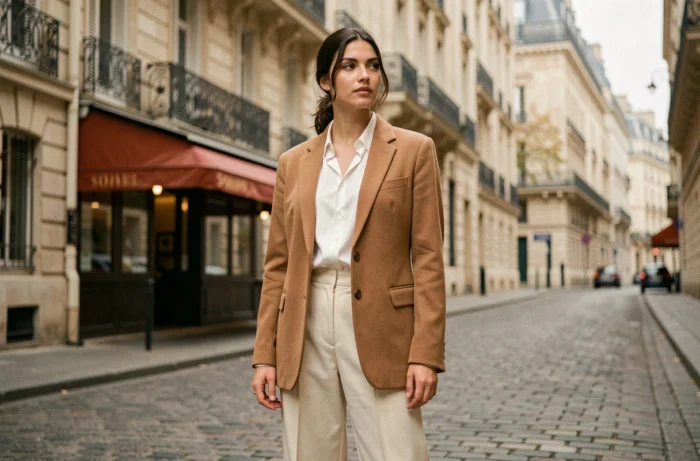
The palettes presented during the shows converge towards two distinct families. Earthy tones (camel, taupe, chocolate) dominate the everyday wardrobe, while saturated accents (deep red, plum purple, fir green) appear on accessories and statement pieces.
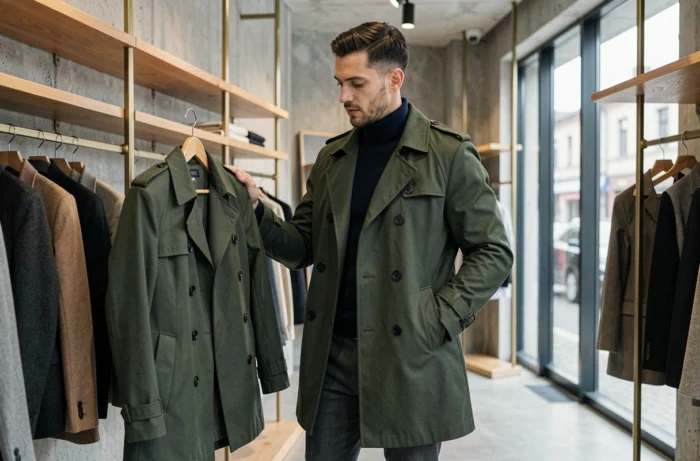
In terms of materials, velvet makes a discreet yet notable return, particularly on jackets and trousers. Technical nylon, inherited from outdoor-urban collaborations (Moncler with The North Face, Kappa with Gant, among others), is establishing itself durably in wardrobes seeking to combine style and functionality in cold weather.
Merino wool and cashmere blends remain safe bets for knits. Recycled fibers are gaining presence in collections, driven by the requirements of the ESPR regulation that pushes brands to rethink their sourcing.
Autumn 2026 Fashion: What Regulation Changes for Style
The link between regulatory framework and fashion trends may seem abstract. It is not. When a brand can no longer destroy its unsold items, it adjusts its production volumes. When it must incorporate recycled materials, its textures change. When consumers arbitrate between new and second-hand, pieces that last multiple seasons gain value.
The underlying trend in 2026 is not a color or a cut, but a change in purchasing rhythm. Collections are tightening, pieces are intended to be more versatile, and seasonal looks are built around one or two investments rather than a complete renewal.
The anti-fast fashion tax, which came into effect on September 1 according to FashionNetwork, adds an additional layer. Brands with very low prices see their costs increase, which could gradually reduce the price gap with more sustainable mid-range brands. The available data does not yet allow for measuring the concrete effect on purchasing behaviors, but the direction is set.