Retirement in France lasts on average more than two decades. Structuring this free time around chosen activities, rather than imposed ones, directly influences the physical health, cognitive abilities, and social connections of active seniors. What types of activities produce the most measurable effects on autonomy and well-being, and how does recent legislation change the preventive offerings available to retirees?
Health Prevention for Seniors: What the “Aging Well” Law of 2024 Changes
The law implementing measures to build a society for aging well in France, adopted in 2024, introduced a program for early screening and prevention aimed at individuals aged 60 and over. The decree of July 28, 2026, specifies the modalities of preventive consultations for those aged 60-75, transforming the traditional approach to “aging well” into a structured pathway supported by public authorities.
In practical terms, these preventive appointments cover physical, cognitive, and sensory abilities. They allow each retiree to be directed towards activities suited to their profile, rather than relying on generic advice. Platforms like Le Club des Seniors are already centralizing resources and events that align with this active prevention logic.
The decree published in the Official Journal on August 9, 2026, also enhances the transparency of establishments welcoming elderly individuals. For retirees living at home, this regulatory evolution means better access to information about local services, group workshops, and free health assessments offered by pension funds.
Physical and Cognitive Activities for Retirees: Comparison of Benefits
Not all activities are equal in terms of impact on health and autonomy. The table below contrasts the main types of activities practiced by active seniors according to three criteria: effect on mobility, cognitive stimulation, and social dimension.
| Type of Activity | Mobility / Balance | Cognitive Stimulation | Social Connection |
|---|---|---|---|
| Walking, aquagym, adapted yoga | Strong | Low to moderate | Moderate (in groups) |
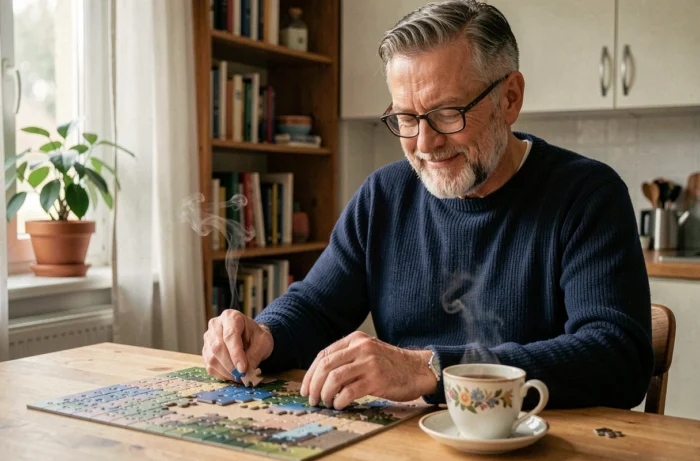
| Memory workshops, board games | Low | Strong | Strong |
| Volunteering | Moderate | Moderate | Strong |
| Digital learning or languages | Low | Strong | Moderate |
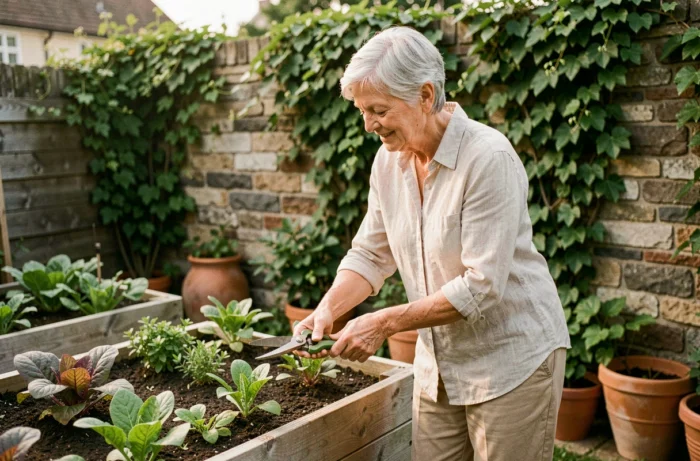
| Gardening | Moderate | Moderate | Low (except for shared gardens) |
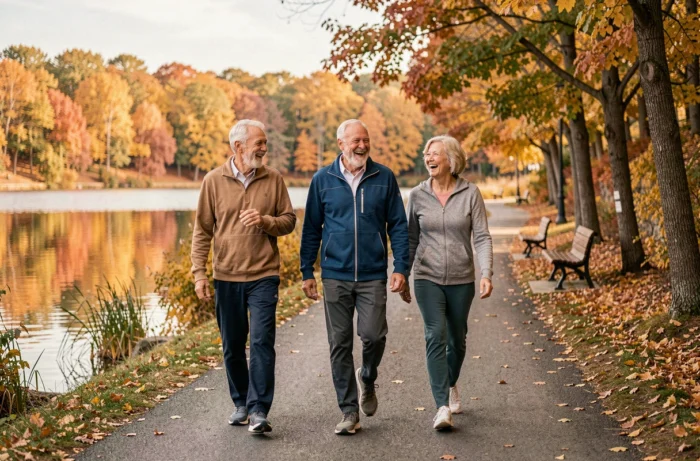
Gentle physical activity (walking, swimming, adapted gym) remains the most documented lever for preserving mobility and reducing the risk of falls. However, it stimulates cognitive functions little if practiced alone, without a learning or complex coordination component.
Memory workshops and strategy games produce the opposite effect: high brain engagement, low physical engagement. Combining these two types of activities, rather than exclusively choosing one or the other, increases the benefits for overall autonomy.
Social Life in Retirement: The Factor Retirees Underestimate
The table highlights a frequent imbalance: solitary activities dominate the daily lives of many retirees. Reading, individual gardening, and television occupy time without producing regular interaction. Intergenerational cohabitation, mentioned in several recent analyses as a solution against isolation, remains marginal but is progressing.
Volunteering stands out for its ability to combine social engagement, maintaining a weekly rhythm, and a sense of usefulness. For former active individuals used to a structured professional environment, this activity fulfills a role that hiking or yoga does not cover.
- Local associations (food aid, tutoring, administrative support): accessible without specific technical skills, they offer a regular collective framework.
- Clubs and collective workshops (painting, pottery, choir): group practice generates sustained relationships, unlike individual online courses.
- Intergenerational events: some municipalities organize meetings between retirees and young professionals around skill-sharing, breaking the generational bubble.
Employment of Seniors and Gradual Transition to Retirement
The employment rate of seniors continues to rise in France in 2025, confirming a fundamental trend. Retirement is no longer a sharp break with the world of work for an increasing portion of the active population. Combining work and retirement, occasional consulting missions, and mentoring in companies: these forms of extended activity maintain both income and intellectual stimulation.
This reality changes the way activities for seniors are conceived. A retiree who maintains a partial professional activity does not have the same needs as a full-time retiree. The preventive programs provided by the “Aging Well” law take this diversity of profiles into account, offering personalized pathways rather than a uniform list of activities.
For retirees who choose to completely leave the professional world, the first year is the most sensitive transition period. Quickly structuring two or three regular activities, including at least one collective, significantly reduces the risk of isolation and loss of bearings.
The ratio of active individuals to retirees, projected to reach historically low levels in the coming decades, makes these issues of prevention and autonomy even more pressing for public finances. A retiree who maintains their autonomy longer through suitable activities places less burden on the healthcare system, transforming prevention into a collective as well as an individual challenge.